One step at a time
Read the words
Let us take it one step at a time. First, check the details on your screen. Choose the option that suits you, then confirm when you are ready. You can review your choices before you continue.
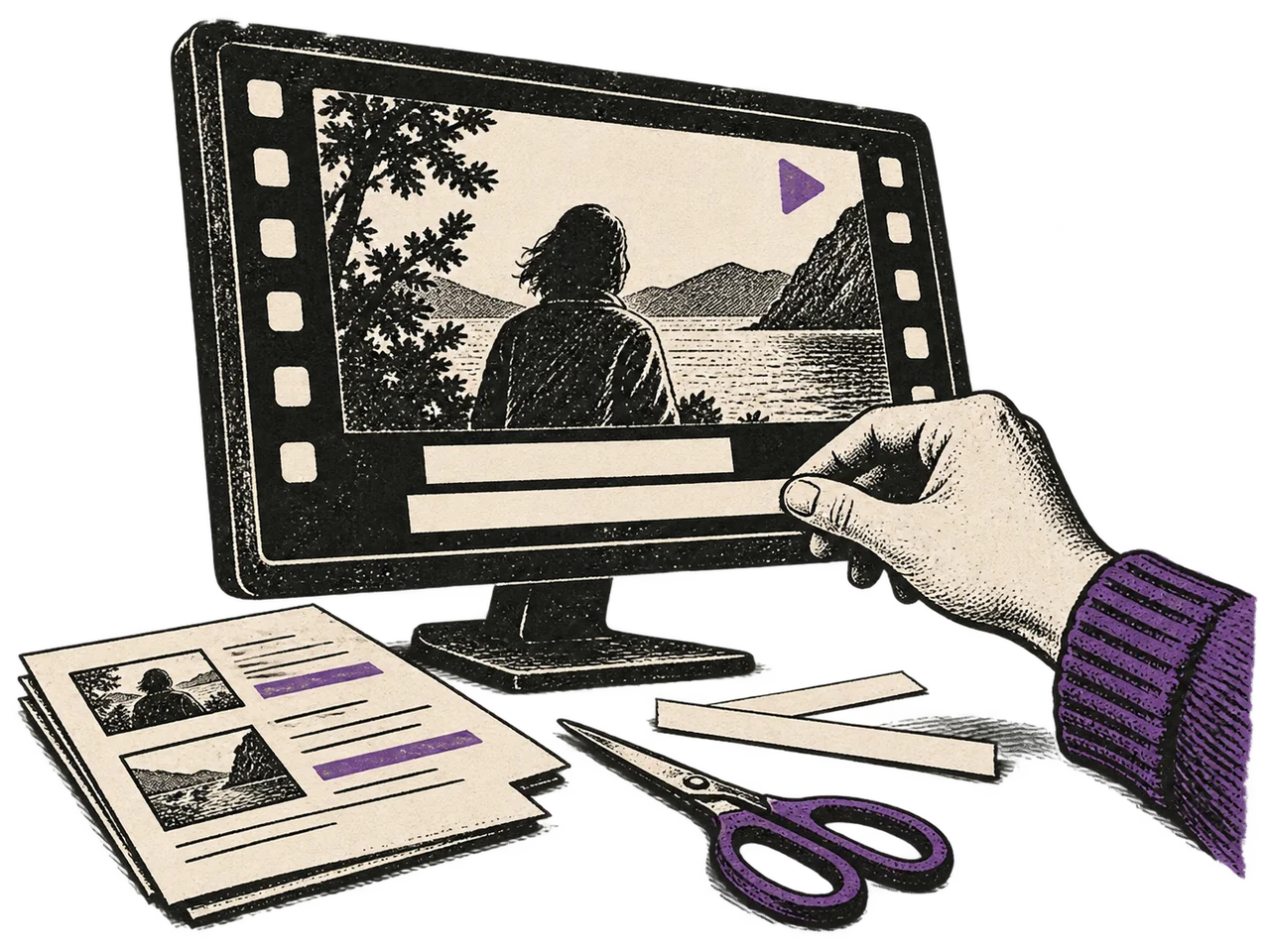
Turn a recording into words you can use. We check the text against the audio, agree how much detail to keep and flag what can’t be heard clearly.
A recording you may share, speaker details and verbatim or clean-read requirements.
A checked transcript, with the speaker labels or time references agreed in your brief.
An AI-generated demonstration made for this site, not client work.
Before you share a file, check who needs access. Choose a named person when the information is private. Set the access level, review the expiry date, and send the link. A quick check now can prevent the wrong person opening it later.
Transcript of the generated demonstration alongside it.
Let us take it one step at a time. First, check the details on your screen. Choose the option that suits you, then confirm when you are ready. You can review your choices before you continue.
Speech recognition can help prepare a first pass, but the recording remains the reference. We review wording, names, numbers and speaker changes, and flag passages that cannot be resolved confidently from the audio. Source quality and overlapping speech affect what can be transcribed reliably.
A verbatim transcript retains the detail of the spoken record; a cleaned-up version improves readability within the rules you approve. Tell us whether to include fillers, false starts, non-speech sounds, speaker labels or timestamps. We agree these choices before work begins.
Provide the recording, language information and useful names or terminology. We check the text against the audio and use an agreed notation for unclear sections. The transcript is delivered in the agreed document structure, ready for your review or the next production stage.
Yes. Transcription first establishes what was said in the source language. Translation can then create a version for another audience, with both stages included in the brief. This is different from assuming the original recording is already in the target language.
Choose verbatim or clean-read text, speaker labels and timestamps. Unclear words are marked for clarification.
Tell us the languages, source material and deadline. We’ll work out the details together.
Talk on WhatsApp hello@dubskool.com
Getting the form ready…
Prefer a message? Email your brief.